Brazil is at the centre of attention at the Venice Biennale, the world's most important art event, under the unprecedented direction of a Brazilian and Latin American: Adriano Pedrosa, chief curator of MASP. The exhibition remains on view until November 2024, presenting pavilions from 90 countries and 331 artists chosen by Pedrosa, who guided his selection by geographic and gender diversity.
The art world took notice of the strong presence of works by deceased artists, around 55% of the participants. The Brazilians include Tarsila do Amaral, Di Cavalcanti and Cândido Portinari, which for Pedrosa is a political and contemporary act, insofar as this choice presents them to new generations and to countries where they are not known (read more in Forbes).
Foreigners Everywhere: the title as politics
The Biennale's title also carries a strong dose of politics: with Foreigners Everywhere, Pedrosa alludes to Europe's migration crisis. He has told the press that the concept of foreigners also encompasses queer people, outsiders and Indigenous people.
The Brazilian Pavilion, Indigenous artists only
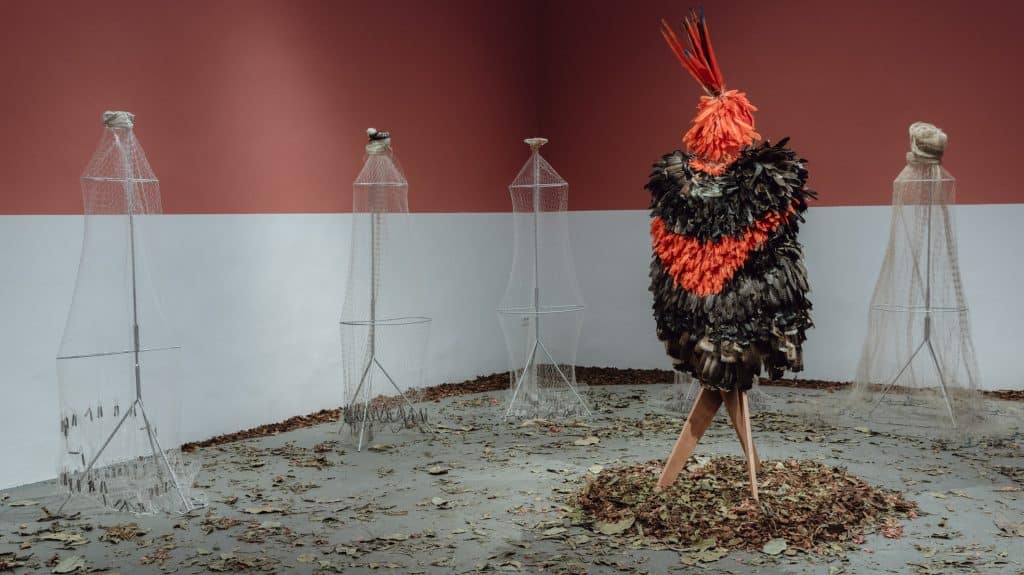
So much so that the Brazilian Pavilion was composed exclusively of works by Indigenous artists, also selected by Indigenous curators: Denilson Baniwa, Arissana Pataxó and Gustavo Caboco Wapichana. The exhibition, called Ka’a Pûera: Nós somos pássaros que andam, highlights artists from Brazil's coastal Indigenous peoples and works offering their perspective on Hãhãwpuá, the name the Pataxó people give to the Brazilian territory. Nexo published a feature highlighting the pavilion.
Queer artists in Venice
The website Arte que Acontece, in turn, highlighted the participation of queer artists, such as the Brazilian Manauara Clandestina. On the site, you can see a collection of the participating works on this theme.
The Jornal Nacional report offers a taste of this Biennale.