Humidity is one of the greatest enemies of works of art, books and archives. But do you know why?
Large amounts of water vapor in the air can act as a trigger for the appearance of fungi and mold, which feed on organic matter. In other words, works on paper, canvas and wood are among the most susceptible to these organisms which, if not quickly controlled, cause irreversible damage.
Mold reproduces through microscopic spores that spread easily through the air. That is why one of the most efficient ways to fight it is simply to prevent it from appearing in the first place, by controlling the conditions of the environment.
The ideal humidity for works of art
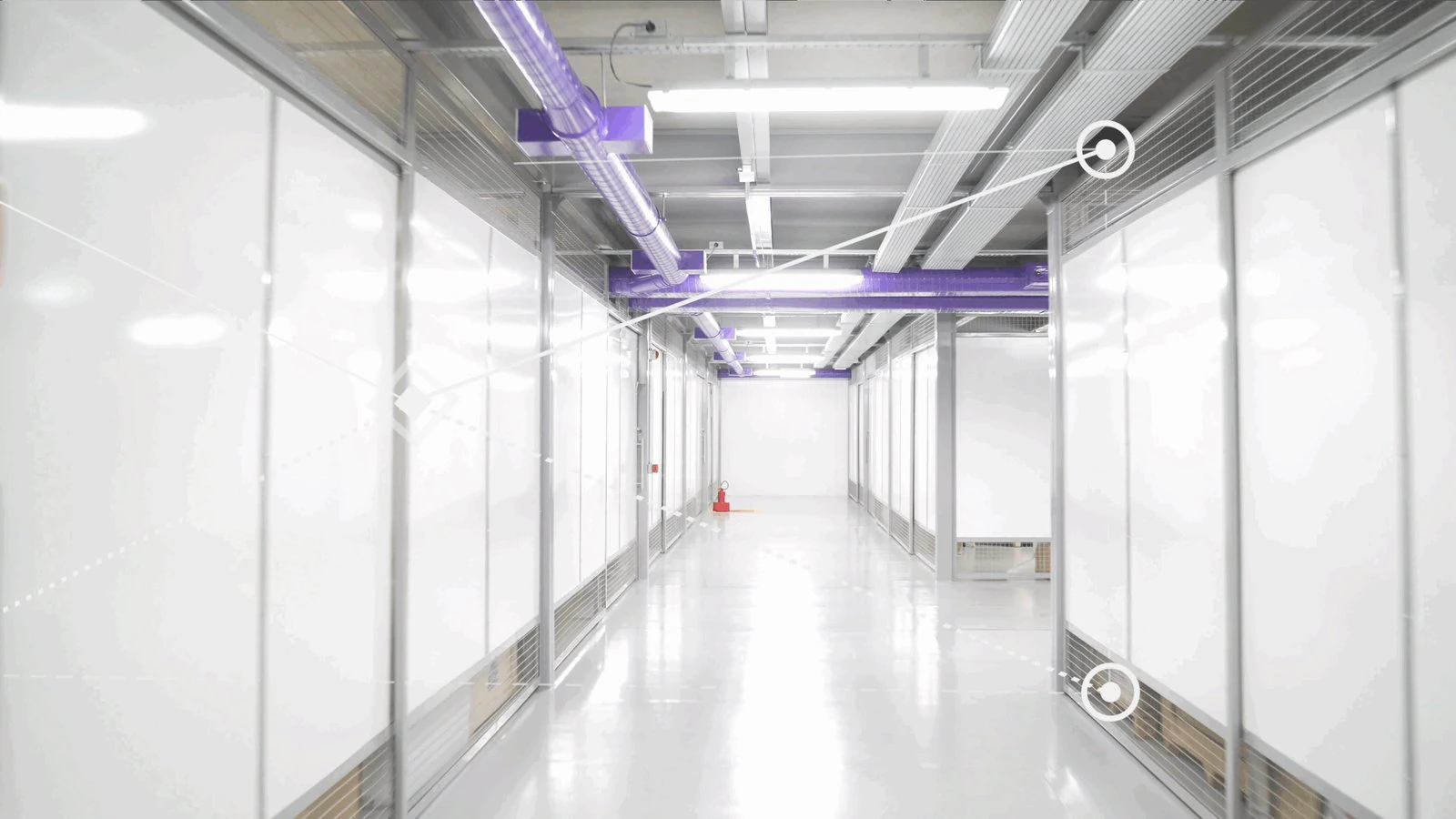
The space where the collection is kept should have relative humidity between 45% and 55%, the range considered ideal by museums around the world. To put that in perspective, in summer the relative humidity in the city of São Paulo can easily exceed 80% on rainy days. The annual average hovers around 70%.
Consistency also matters, because humidity variation throughout the year causes physical changes in the pieces. Canvases can expand when humidity is high and shrink when it drops. These changes are millimetric, but they affect the surface of the painting and can lead to cracking and loss of material. For metal sculptures, the risk is corrosion, and paper can turn yellow.
In many cases, the damage requires expensive restoration work, when it is not impossible to reverse. In other words, uncontrolled humidity can negatively affect the market value of a work of art.
How to protect the collection from humidity
Relative humidity works inversely to the ambient temperature: the warmer it is, the lower the relative humidity, and the opposite in cold weather. In general, keeping the room temperature constant, through a good climate-control system, considerably improves the conservation conditions of the work.
Avoiding placing pieces in direct light or on walls in contact with the outside environment are also good safety measures. It is also important to check whether the work is exposed to any source of temperature change, such as ventilation ducts or fireplaces.
Works in storage deserve the same treatment as works on display, which is a challenge, since it is not always possible to maintain, at home or at the office, an environment with controlled conditions to ensure safe storage.
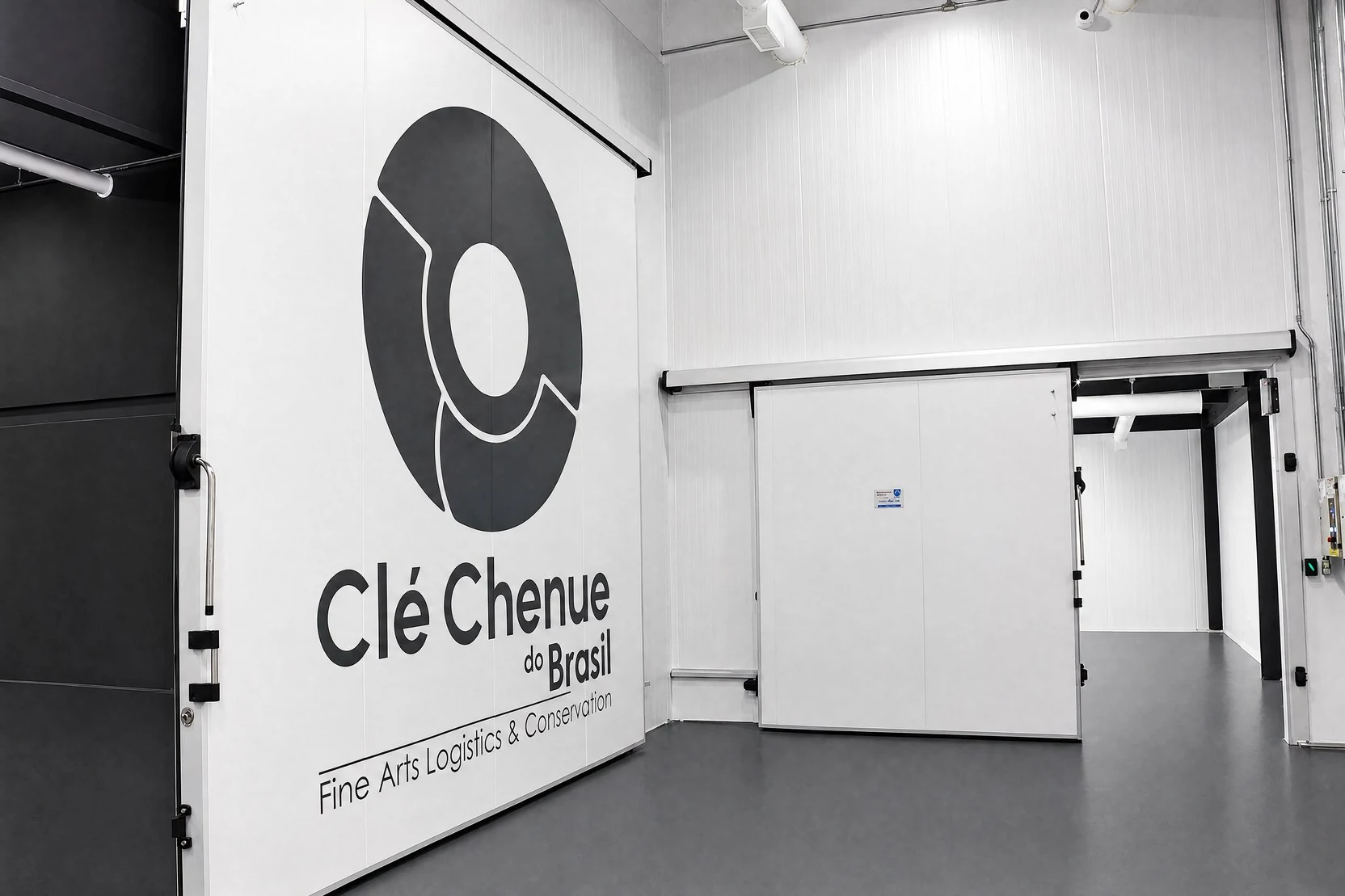
If that is the case, the safest option for the collector is to turn to a private art storage facility. In Brazil, Clé Chenue do Brasil is the only company offering 100% climate-controlled storage, currently serving some of the country's most important museums. Discover our services.